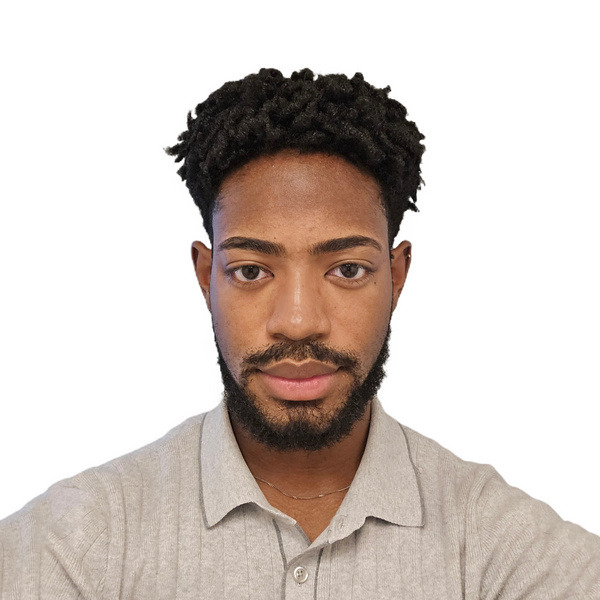
After graduating his B.S. in C.S. Georgia Tech, Cory worked at Amazon/AWS as a software engineer for 6 years. Most of his time was spent working on AI based projects (natural language processing) and financial computation. He has returned to teaching, and teaches at various colleges and institutions to implement AI into early level coding courses.

Dr. Kristine Christensen is a Professor in the Computer Information Systems department at Moraine Valley Community College and serves as the Director of Faculty Development. With more than two decades of teaching experience, she focuses on cybersecurity, emerging technologies, and student-centered learning. Her work centers on helping educators build the skills and confidence needed to prepare students for careers in rapidly evolving technology fields.
Dr. Christensen leads and contributes to several national initiatives aimed at strengthening the cybersecurity workforce. She is involved in projects that support community college faculty development, cybersecurity career exploration, and outreach to students and educators. Her efforts include developing instructional resources, facilitating professional development programs, and creating hands-on activities such as cybersecurity games and capture-the-flag challenges that introduce learners to cybersecurity in engaging and accessible ways.
She is especially passionate about expanding pathways into cybersecurity and technology careers and helping students discover opportunities they may not have previously considered. Through partnerships with educators, industry professionals, and national organizations, Dr. Christensen works to increase awareness of cybersecurity careers and support the educators and advisors who guide students toward these fields.
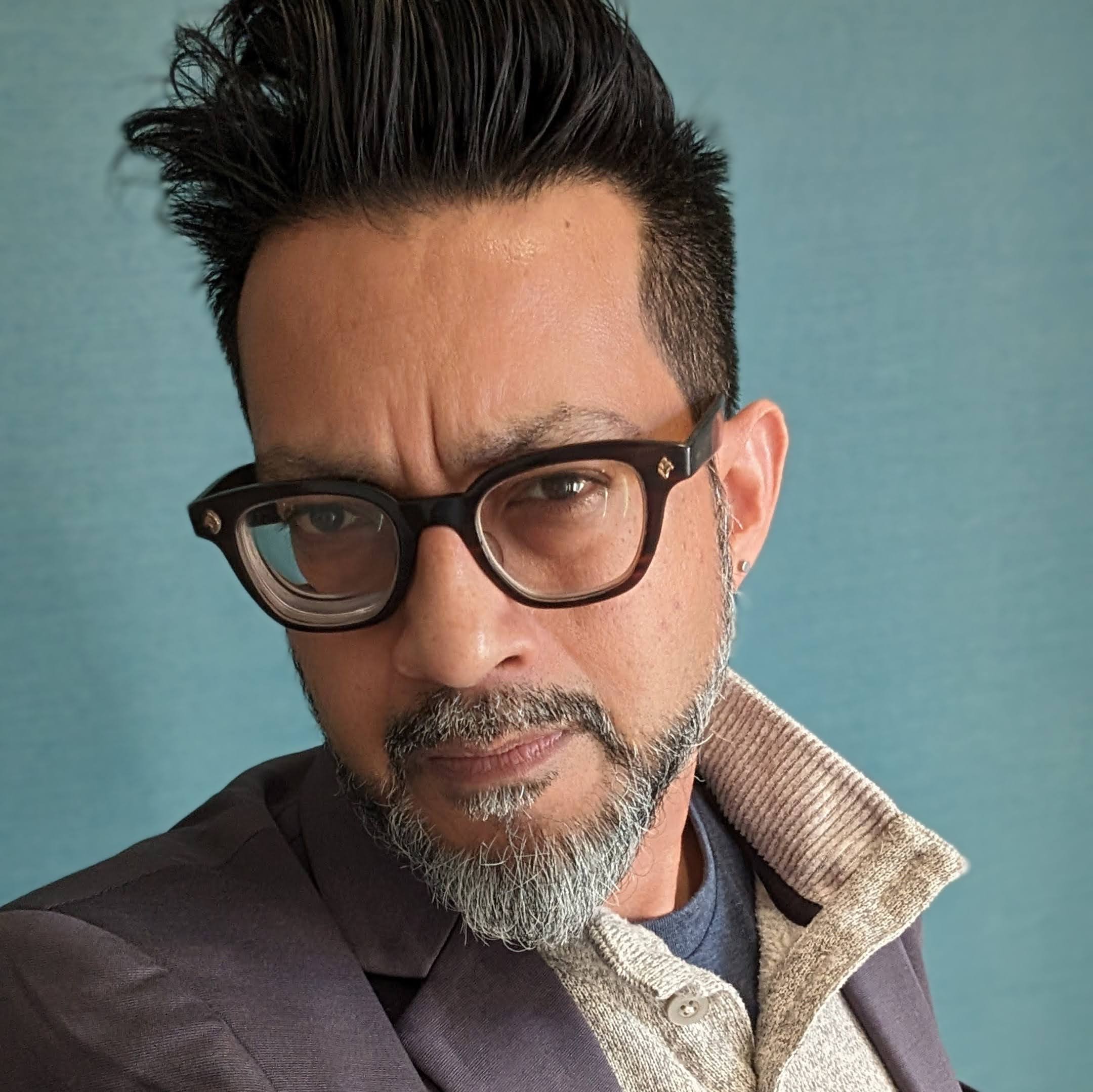
Charlie Dey is a Research Computing Advocate and Educator within the User Services group at the Texas Advanced Computing Center (TACC). With a background in web development, scientific computing, and cybersecurity, Charlie leads TACC’s strategic vision for higher education and professional training—designing programs that prepare the next generation of researchers, educators, and professionals to engage with advanced computing.
At TACC, Charlie develops and oversees curriculum for academic courses taught in partnership with multiple departments at The University of Texas at Austin, as well as for professional development workshops and training events that serve a diverse national and international audience. He is also a champion of community-driven education initiatives, frequently integrating emerging technologies such as AI, high-performance computing, and narrative computing into instructional design.
Before joining TACC, Charlie worked as a Senior Application Developer at the Carle Foundation and taught computer science at Parkland College in Champaign, Illinois. He was a member of a specialized application development team at the University of Illinois and served as a research consultant for NASA Ames Research Center, where he contributed to computational immunology and bioinformatics projects.
Charlie holds a Bachelor’s degree with concentrations in Computer Science and Biology and a Master’s degree in Cybersecurity from Eastern Illinois University. He also holds certifications in 3D programming and scientific visualization.
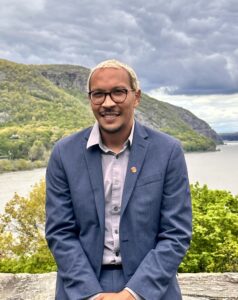
Dr. Dewayne A. Dixon is a Faculty Fellow for the AUC Data Science Initiative and a Visiting Assistant Professor of Computer Science at Morehouse College whose work bridges mathematics, computer science, and explainable artificial intelligence. He earned his B.S. in Mathematics from Morehouse College, his M.S. in Mathematics from Virginia State University, and his Ph.D. in Mathematics from Howard University. His research centers on bioinformatics and genetics using machine learning, with doctoral work focused on PTSD-related biomarker discovery and related computational methods.
Dr. Dixon is equally committed to teaching and curriculum innovation. He works to develop AI-integrated mathematics curriculum and his broader interest in helping students engage emerging technologies through accessible, rigorous instruction and research. He has also been recognized by Mathematically Gifted & Black and was selected as a 2025–2027 MGB-SIAM Early Career Fellow, reflecting both his scholarly promise and his growing impact in the mathematical sciences community.
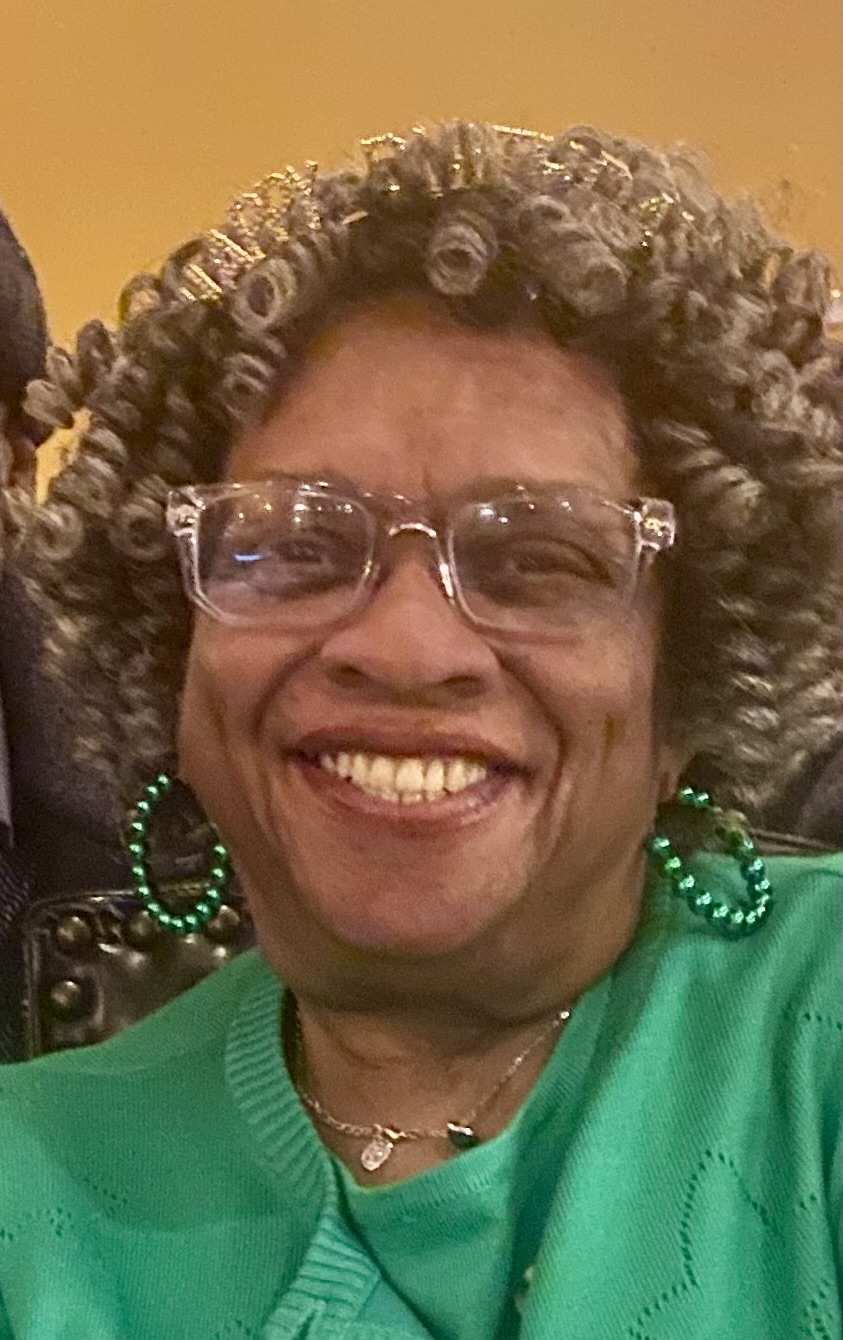
Dr. Linda Bailey Hayden directs Workforce Development for the NSF Center of Excellence to Extend Access, Expand the Community, and Exemplify Good Practices for CI Through Science Gateways(SGX3 - NSF award #2231406). She is Director of the Center of Excellence in Remote Sensing Education and Research (CERSER) at Elizabeth City State University. Dr. Hayden was presented the Presidential Award for Excellence in Science, Mathematics, and Engineering Mentoring by the National Science Foundation.
During the 2026 ADMI Symposium she will moderate a panel discussion which highlights opportunities for faculty seeking support for Artificial Intelligence and SGX3 High Performance Computing-related (HPC) curriculum enhancement. SGX3 will also sponsor a Codeathon for ADMI students. Assisting with the panel and Codeathon are Je’aime Powell (Omnibond), Charlie Dey (TACC), along with SGX3 trained faculty and students.
Dr. Hayden is a strong supporter of ADMI and currently serves as the Vice President for Programs on the ADMI board.
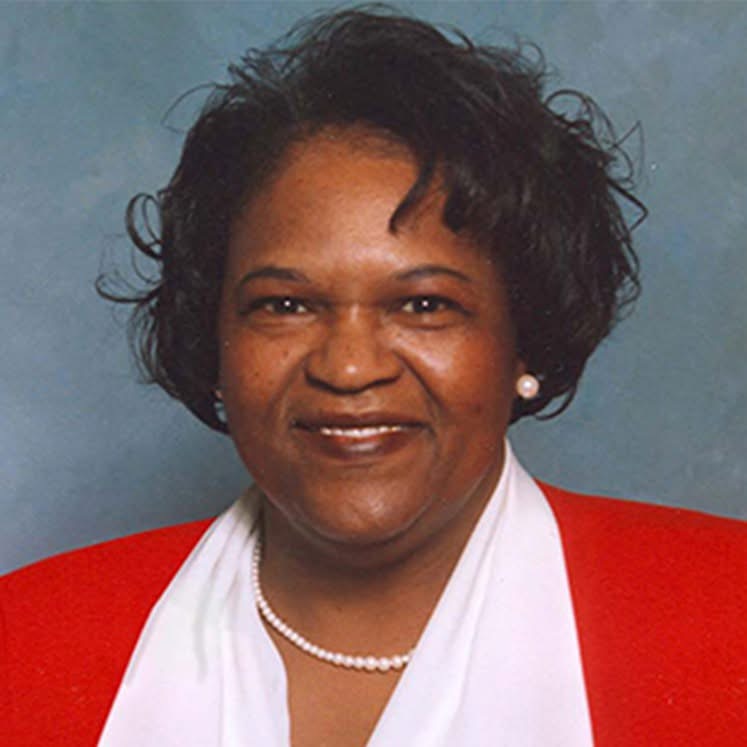
Dr. Elva J. Jones
Dr. Jones is Professor Emeritus and Founding Chair at WinstonSalem State University. She obtained a bachelor’s degree from WSSU; a master’s degree from the UNCG; a master’s in operations research and the Ph.D. in Industrial & Systems Engineering/Computer
Studies from NCSU, the first African American woman to attain a doctorate in the area from NCSU.
Dr. Jones’s accomplishments include a range of academic innovations; an active research, publication, and extramural funding record; and an exemplary record of service. The Elva J. Jones Computer Science building, a $13 million academic, research, and Information Resources facility, was dedicated in her honor, September 2005. Dr. Jones has committed her life to teaching excellence, mentoring, recruiting and retaining young persons in the computing field, research, and “giving back” through professional and community service.
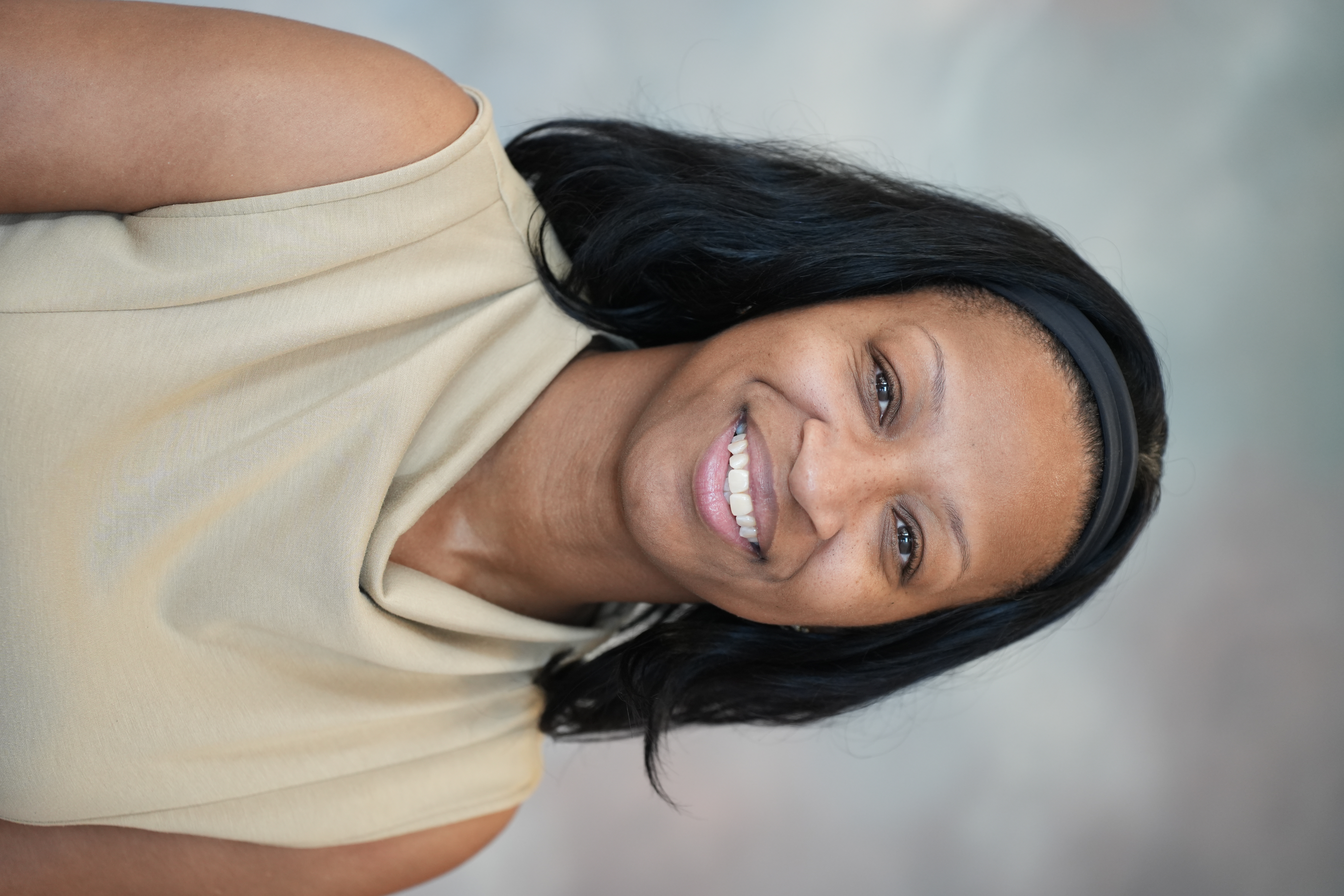
Dr. Karina Liles is the Chair of the Department the Mathematics and Computer Science and an Associate Professor of Computer Science at Claflin University. Dr. Liles received her PhD and ME in Computer Science and Engineering from University of South Carolina, MEd in Educational Technology from University of South Carolina and BS in Computer Science from Spelman College. Dr. Liles is the owner and founder of STEM Truck which is a mobile STEM lab delivering STEM resources to rural areas. She owns a patent for a turn safety apparatus.
Dr. Karina Liles is a distinguished academic and innovator at Claflin University, where she plays a pivotal role in program development and community engagement through technology. Her multifaceted role at Claflin University includes curriculum development and campus innovation. She is a key figure in the university's partnerships with Google and Zoom bridging connections between industry and academia and forging opportunities for students, and she is the co-chair of the Generative Artificial Intelligence Task Force. Early in her career, she developed Programming Languages and Robotics Fundamentals courses, significantly enhancing the computer science curriculum. Additionally, Dr. Liles developed a Bachelor’s and Master’s program and graduate certificate in Cybersecurity to meet the growing demand for skilled professionals in this critical field.
Dr. Liles designed and launched the Claflin University SmartHOME, a groundbreaking initiative aimed at combating health disparities among African Americans and other minority communities through advanced technology. Through her campus innovation initiatives, she was instrumental in the digital transformation of the H.V. Manning Library, equipping it with state-of-the-art resources to better serve academic needs. She collaborated with the Office of Enrollment to create and implement an electronic scavenger hunt, designed to guide prospective students and visitors on an interactive tour of the campus. She also founded the Claflin Data Science Team, which supports the Athletics Department with innovative data analytics, enhancing the performance and strategic capabilities of the basketball teams. Dr. Liles enhancing campus recruitment through the development and implementation of a suite of innovative approaches to engage prospective students and partners, including NFC tag digital business cards, an interactive smart home display and robot presentations.
Dr. Liles' dedication to merging technology with education and community welfare has positioned Claflin University as a leader in both academic excellence and community service. Her vision continues to drive significant advancements in education technology and health initiatives, making a lasting impact on students and the broader community.
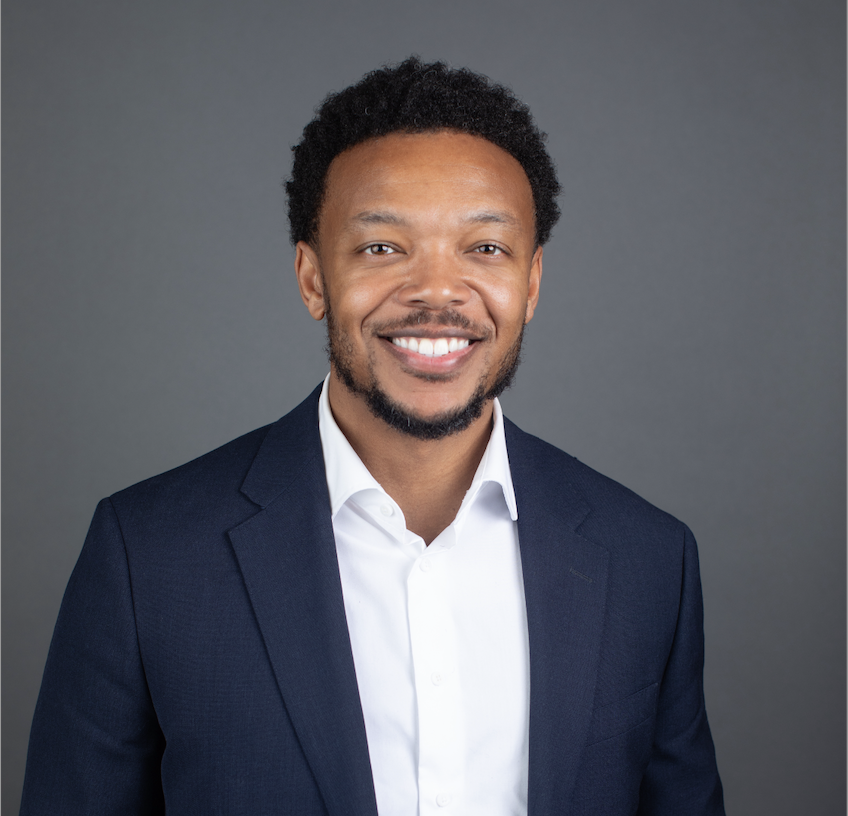
Dr. Napoleon Paxton is the Chief Innovation Officer at AI Squared and he is a Senior Level technologist with over 30 years of experience as a developer and leader of product development teams. Before joining AI Squared, Dr. Paxton was a senior level contractor for Booz Allen Hamilton where he led and served on many projects. This included being the deputy branch chief of the AI/MLOps Branch of the ADVANA analytic platform which is the largest analytic platform for the DoD. He was also a subject matter expert contributor to over $1.5B in contract wins for Booz Allen including the DISA Thunderdome contract for zero trust capabilities to the US Federal Government.
Before his contracting duties to the US Federal Government, Napoleon was a Federal Employee at the Naval Research Laboratory (NRL) in Washington DC where he served as a senior computer scientist working on Cyber Security and pioneering AI capabilities before the AI boom of today. During that time Dr. Paxton was granted a patent as the sole inventor of a process that provided attribution of computer network traffic across translational boundaries such as firewalls and virtual private networks. He has also spoken at 100s of events and has over 20 peer-reviewed publications on various computer related topics. This includes government sponsored events for NATO.
Dr. Paxton’s formal AI education began with an MIT Certificate in from Sloan Executive Education (Artificial Intelligence: Implications for Business Strategy. Dr. Paxton also holds a master's degree in data science from UC Berkeley and holds a Ph.D. in Information Technology from The University of North Carolina at Charlotte with a focus on cyber security (2011). His bachelor’s degree is in Computer Science from Elizabeth City State University (ECSU), and he also holds an associate degree from Campbell University, which was completed while serving in the United States Marine Corps.
During his educational and professional journey, he has had the opportunity to interact with and provide services for a variety of stakeholders which has given him a unique perspective on customer needs in both the public and private sector. In addition to bringing this perspective to AI Squared he also teaches various AI/ML, Cyber Security, and Data Science courses at UC Berkeley and Stanford. Finally, Dr. Paxton created and leads a UC Berkeley AI panel that focuses on the human side of AI and what it's pioneers were thinking when they developed the tools we now use everyday.

Jaycee Holmes-Nguyen is a professor of Interactive Media & Game Development at Spelman College and co-director of Spelman Innovation and the Arthur M. Blank Innovation Lab in Atlanta, Georgia. A Forbes 30 Under 30 honoree, she is also the co-founder of CODEHOUSE, a nonprofit dedicated to increasing the number of underrepresented minorities in technology. Previously, she worked as a program manager at Microsoft and has led projects at the intersection of interactive media, game development, and computing education.
Dr. Janett Walters-Williams joined the Department of Computer Science, School of Science, at Hampton University in Fall 2018 as an Assistant Professor. She earned her Ph.D. in Computer Science from the University of Southern Queensland in Australia in 2012; MS and BS in Computer Science from the University of the West Indies (Mona) in 2001 and 1994 respectively.
Dr. Walters-Williams has worked as an educator of Computer Science at the university level for over 25 years and has taught programming languages such as C/C++, Java, Prolog, SQL and Assembly Language working in the three most popular operating systems—Microsoft, Unix/Linux, and MacOS. She has also taught networking, cybersecurity, web and mobile programming.
Her love for Artificial Intelligence and its applications has guided her research interests which lie in signal processing, neural networks, machine/deep learning and data science. She also has interest in computer security and cloud computing. Dr. Walters-Williams's research is guided by the question "How can I use computer science to improve the lives of others?"
Dr. Walters-Williams has a passion for getting under-represented minorities and women involved in STEM, especially computer science. Her passion also focuses on K–12 students and teacher training for the STEM fields.
Dr. Jean Muhammad is an endowed professor and Chair of the Department of Computer Science in the School of Science at Hampton University, where she leads programs in software engineering, computer science education, and cybersecurity education. She has chaired the department since 2006, spearheading curriculum reform, research capacity building, and partnerships that broaden opportunities for students in computing.
Dr. Muhammad earned her Ph.D. in Computer Science from Florida State University, an M.S. in Computer Science from the Illinois Institute of Technology, and a B.S. in Computer Science from Chicago State University. A former software engineer at AT&T Bell Labs and AirNet Communications, she brings deep industry experience to her academic leadership and teaching. Her research and grant portfolio spans NSF, ONR, and industry-funded projects focused on artificial intelligence integration, cybersecurity research training, and strengthening computer science pathways at HBCUs. A dedicated mentor and board member of Black Data Processing Associates, she is committed to developing the next generation of diverse computing professionals.
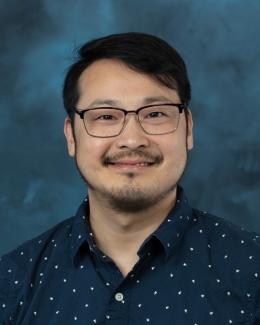
Tuguldur (Togo) Odbadrakh was born in Darkhan, Mongolia. He received his B.S. in Chemistry from West Virginia University, where he conducted undergraduate research in synthetic organic chemistry under the guidance of Prof. Xiaodong Shi. He then received his Ph.D. at the University of Pittsburgh studying the accommodation of excess charges in water clusters under the guidance of Prof. Kenneth D. Jordan.
Afterwards, Togo completed a Postdoctoral Fellowship at Furman University working on the formation of atmospheric aerosol pre-nucleation clusters with Prof. George C. Shields. During this time, he trained undergraduate students in computational chemistry and supported the operation of two small-scale HPC clusters employed by the MERCURY Consortium.
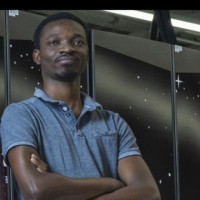
Dr. Elijah A. MacCarthy is an HPC Engineer in the Systems Acceptance and User Environment group at the National Center for Computational Sciences at Oak Ridge National Laboratory, where he supports system acceptance, user environments, and application readiness for leadership-class supercomputing systems at the Oak Ridge Leadership Computing Facility. His technical interests include software containers, GPU programming, program optimization, and scalable workflows that enable scientists to leverage cutting-edge architectures for large-scale simulation and data analysis.
Dr. MacCarthy holds a Ph.D. in Computational Science and Engineering from North Carolina A&T State University, where his research included GPU-accelerated methods and computational modeling, including infectious disease dynamics and biomolecular applications. He is also active in HPC education and workforce initiatives, including crash courses and faculty-focused training events.
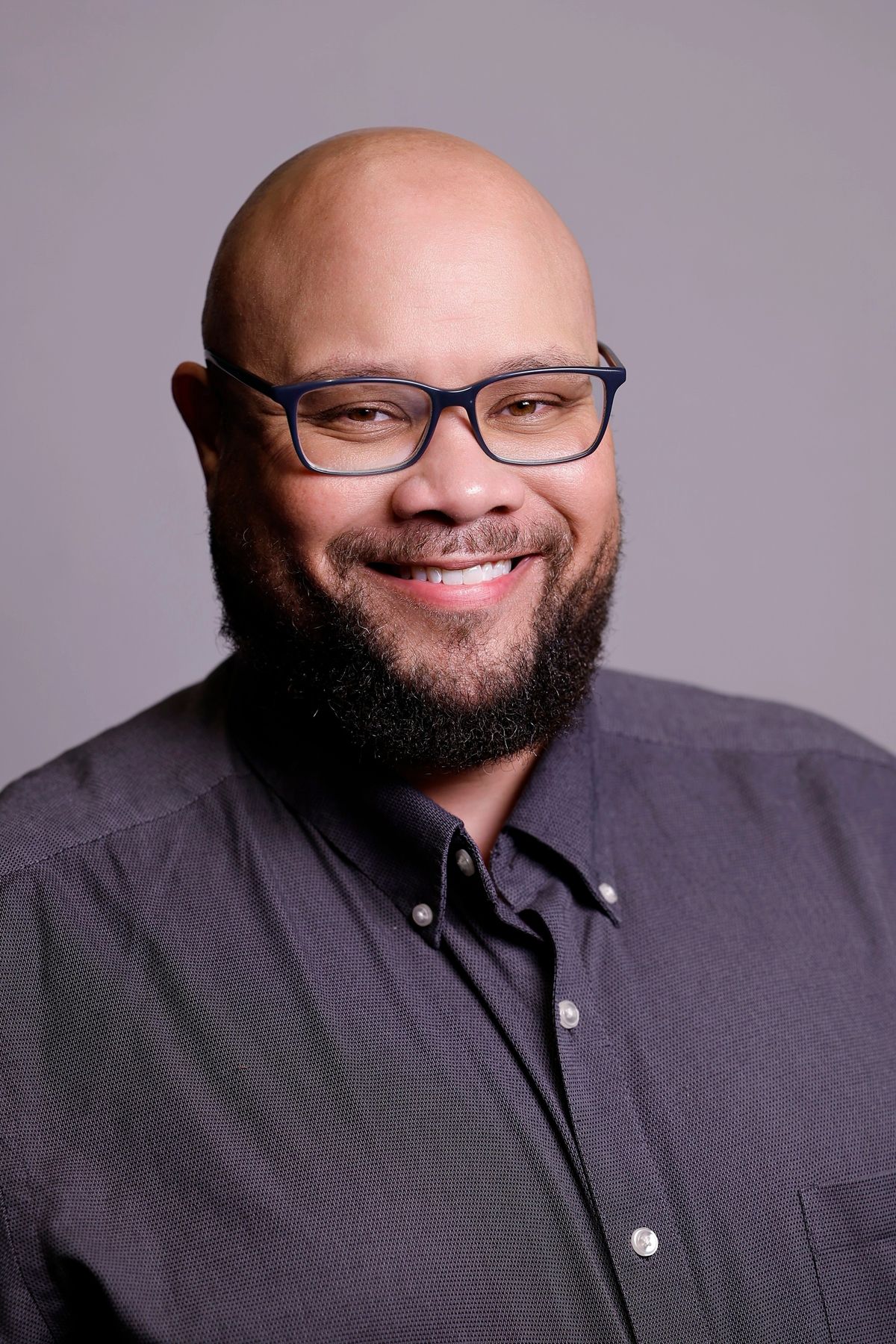
Je’aime Powell is a workforce development researcher and technology strategist working at the intersection of artificial intelligence (AI), high-performance computing (HPC), and science gateways. As a Product & Systems Analyst at Omnibond Systems, Je’aime contributes to the development and deployment of advanced cyberinfrastructure platforms such as projectEUREKA!, helping universities and research organizations access scalable computing resources for AI, simulation, and data-driven discovery.
Je’aime is deeply engaged in building inclusive pathways into advanced computing, frequently organizing hackathons, training programs, and collaborative initiatives that introduce undergraduate students—particularly those from Minority-Serving Institutions—to HPC and AI technologies. Through partnerships with organizations such as the Science Gateways Community Institute (SGX3) and events like HackHPC@ADMI, Je’aime helps design experiential learning opportunities that blend technical skill development with real-world research challenges.
Beyond research and infrastructure work, Je’aime also contributes to technical storytelling and community engagement, producing articles, conference materials, and social media content that highlight emerging cyberinfrastructure projects and the people behind them. Their work bridges technical systems, academic collaboration, and public communication—helping translate complex computing ecosystems into accessible opportunities for the next generation of researchers and innovators.
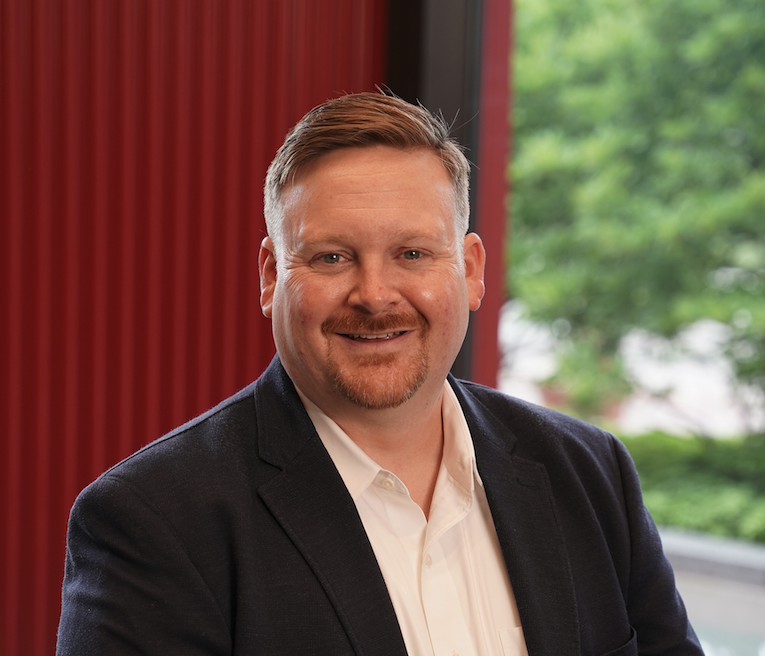
Eric Renegar is a Professor of Information Technology and Cybersecurity at Sinclair Community College in Dayton, Ohio. He teaches courses in networking, cybersecurity, and Internet of Things (IoT) technologies, helping students develop the practical skills needed for today’s technology workforce. Eric is known for creating hands-on learning experiences that connect classroom concepts to real-world applications, including labs in networking, packet analysis, embedded systems, and cybersecurity competitions.
In addition to teaching, Eric is active in curriculum development, workforce initiatives, and technology outreach. He frequently collaborates with industry and educational partners to expand opportunities for students in emerging technology fields. His work often focuses on practical, project-based learning that prepares students for certifications and careers in IT and cybersecurity.
Outside the classroom, Eric enjoys building technology projects, working with amateur radio, and exploring ways to make complex technical topics accessible and engaging for learners of all ages.
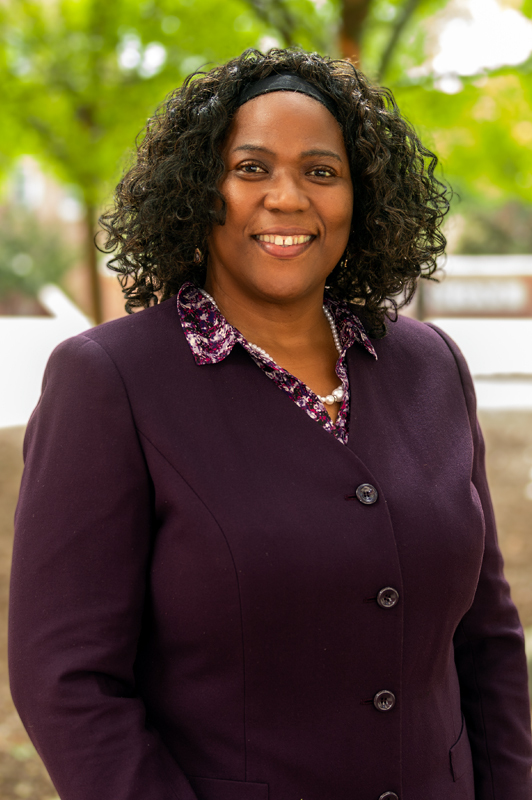
Dr. Cheryl Seals is a Charles Barkley Endowed Professor of Computer Science and Software Engineering at Auburn University with over 25 years of experience in academia and industry, including roles at Bellcore/Telcordia and IBM. Her research focuses on advanced learning technologies, HCAI, UI/UX, and immersive environments, with nearly $20M in collaborative funding and 130+ publications. Dr. Seals has mentored over 200 students, graduated 23 PhD and 80 master’s students, and has co-led NSF-funded initiatives such as IAAMCS and STARS to broaden participation, mentorship, and leadership in computing. Seals is an alumnus of Grambling State University, NC A&T State University and Virginia Tech. She is the Auburn University Faculty Advisor for SWE, NSBE, STARS and TigerDev - Game Development Club.
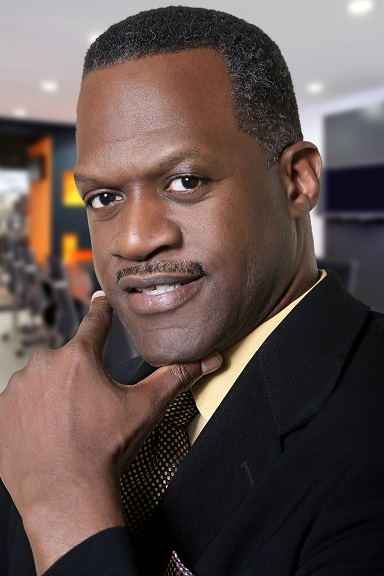
Alfred R. Watkins serves as the Interim Senior Director of the Atlanta University Center (AUC) Data Science Initiative, an organization dedicated to expanding the curriculum, research, and impact of data science across the AUC Consortium member institutions, specifically Clark Atlanta University, Morehouse College, Morehouse School of Medicine, and Spelman College.
He began his career in the telecommunications and information technology industries at Bell Labs. He has also been a quality management consultant with AT&T, helping organizations improve their business processes and co-authoring two books on Process Quality Management and Improvement.
He is a passionate educator specializing in entrepreneurship, leadership and computer science education. He has taught a variety of computer science courses and conducted research at Morehouse College, Spelman College and Georgia Tech in high performance computing and database management. He has led the establishment of a Data Science & Analytics Minor Program at Morehouse College. The Data and the African Diaspora, Data Science I, AI in Sports, AI in FinTech, and the Explorations in Game Development courses were developed and launched at Morehouse under his leadership.
Dr. Watkins earned his Ph.D. degree in Computer Science from Georgia Institute of Technology in Atlanta, Georgia. He earned his Master of Science degree in Computer Science from Howard University in Washington D.C., his Bachelor of Electrical Engineering degree from Georgia Institute of Technology in Atlanta, Georgia, and his Bachelor of Computer Science from Morehouse College in Atlanta, Georgia.